Busting food myths related to arthritis
Busting food myths related to arthritis
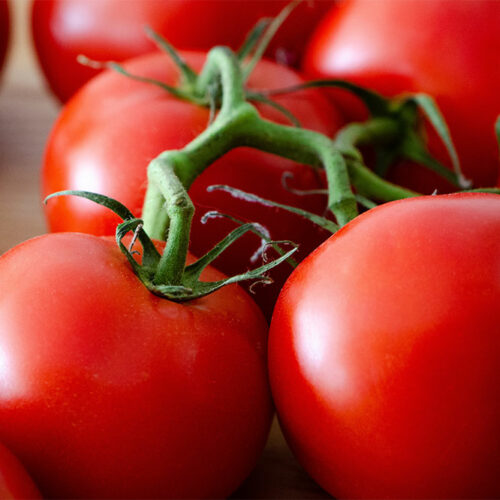
Arthritis can affect people of all ages, including children. However, it is increasingly common in aged individuals. It causes stiffness and painful aches in the joints and muscles of the body. There is a lot of confusion about arthritis, from its causes to ways to manage the condition, but even more so related to what foods are good or bad for it. This article busts some common food-related myths surrounding arthritis. Top food myths concerning arthritis you should not believe Tomatoes can be harmful Tomatoes were previously believed to be poisonous and often associated with making arthritis worse. The myth originated because tomatoes contain solanine, a naturally produced toxin that is believed to cause inflammation, swelling, and joint pain. But there is no medical evidence of tomatoes proving to be harmful to arthritis patients. Vegetables in the same family, such as eggplants and potatoes, are also safe to eat. Citrus aggravates inflammation There is a lot of misinformation on the internet that warns arthritis patients to stay away from citrus fruits because they aggravate inflammation. This is not true. Citrus fruits are rich in vitamin C, which helps manage arthritis pain and protects against free radicals, which could damage the cartilage, flaring inflammation.

4 anti-inflammatory foods for arthritis

4 anti-inflammatory foods for arthritis
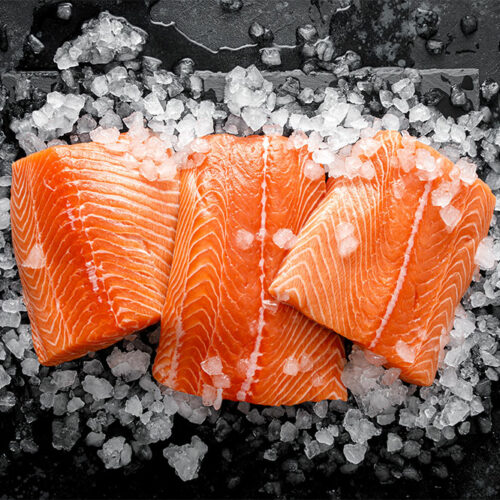
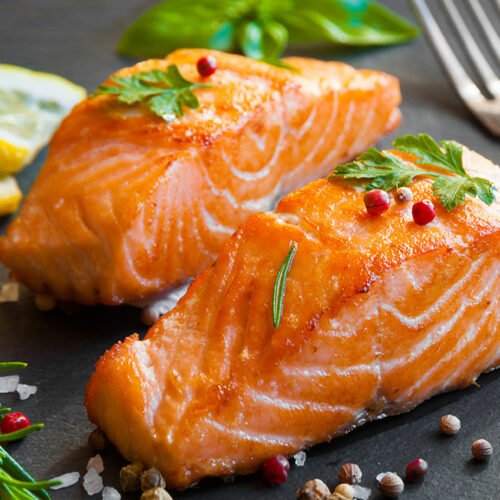
4 anti-inflammatory foods for arthritis Arthritis is an inflammatory condition of the joints and it impacts people across all demographics. Although, people in the age group of 65 years and above tend to be more susceptible to the condition. As it is inflammation of the bones, it can be better managed with the help of food and lifestyle changes. In addition to medications prescribed by doctors like tremfya for arthritis, the following foods can help the patients to a great extent Ginger Ginger possesses the ability to fight off inflammation in the body. It has been found to be particularly effective in treating knee pain that results from osteoarthritis. It contains gingerol, a compound that actively blocks inflammatory pathways and makes it easier to fight off inflammation and strengthen the immune system. Fatty fish Omega 3 fatty acids make freshwater fishes a must-have to fight any inflammatory condition. The same holds true for patients with arthritis. The lower amount of inflammation stands synonymous to lower decreased pain in the joints. Additionally, fatty fishes are an equally rich source of vitamin D, this makes them a nutritionally rich ingredient for people with bone-related issues. Garlic Arthritis causes inflammation owing to its auto-immune response.

8 foods that help control diabetes

8 foods that help control diabetes
Diabetes or high blood sugar can be effectively controlled if a proper daily diet is followed. Paying attention to food habits will not only keep a control on the blood sugar but also develop overall healthy weight. A balanced diet is often suggested by dieticians but not many understand the need for the same. If a person is suffering from diabetes, one thought tends to constantly remain in our mind and that is how to control blood sugar. Here are 10 best food items that are popular, easily available, and perfect for controlling blood sugar. Take a look! Vegetables are perfect for controlling blood sugar We all know that vegetables are an important part of everyday meals and diet plan. Including vegetables in the meal helps to keep us fit and healthy. Not only does eating vegetables healthy for a maintained body weight but also for controlling high blood sugar. It is advisable to include all kinds of vegetables in your diet but ensure to choose vegetables that are low in carbohydrates. You can try having mushrooms, tomatoes, sprouts, and onions, to name a few. Try adding more flavor to your meal by seasoning the vegetables well. Broccoli for a healthy heart Often recommended by doctors for people suffering from high blood sugar, broccoli is considered one of the best food items when one is looking to control blood sugar.

Best foods and home remedies for heartburn

Best foods and home remedies for heartburn
GERD is a digestive disorder where stomach acids travel upwards into the food pipe. While this can lead to chest pain and difficulty swallowing, heartburn is the most common symptom. It is characterized by a burning sensation in the chest, which can also be felt in the neck and throat. Thankfully, patients can control heartburn to a large extent at home by eating certain foods and following particular home remedies listed below. Chew gum Although unusual, chewing gum 30 minutes after a meal reduces heartburn and other GERD symptoms. When a person chews gum, the production of saliva increases and the excess saliva passes down the esophagus to cancel out the effect of stomach acid, the main culprit for GERD. Reduced stomach acid, in turn, decreases heartburn and other associated problems. Drink pineapple juice Since GERD is caused by excess stomach acid production, controlling the amount of acid can manage the problem. Pineapple juice helps do that. It has a group of valuable enzymes called bromelain that reduces stomach acid, preventing heartburn and other symptoms. Hence, patients can drink small amounts of pineapple juice every day. Eat peppermint Peppermint is a flexible herb that can relieve digestive stress. It can also reduce the length, severity, and frequency of abdominal pain.

Foods to avoid to manage rheumatoid arthritis

Foods to avoid to manage rheumatoid arthritis
Rheumatoid arthritis (RA) is a progressive and chronic inflammatory condition that leads to joint pain, stiffness, and swelling. It is considered an autoimmune disease that can cause loss of joint functions and deformities. While no food can treat this condition, it may be a smart move to avoid foods that worsen its symptoms. Read on to know which foods to avoid if you have RA and medical treatment options for RA. Sugar Beverages and drinks that contain high levels of sugar are known to induce and worsen joint pain. The American Heart Association recommends 6 teaspoons per day for women and 9 teaspoons for men. Try to limit or avoid eating candy, soda, ice cream, and other foods that are full of unhealthy amounts of sugar. Replace sweetened drinks with an unsweetened version by adding organic honey or lemon. Salt Salt is one of the essential nutrients for humans. However, when consumed in excess, it can trigger a variety of serious health issues, including joint pain. Eating too much salt increases not only the risk of RA but also kidney problems. Substitute salt in your food with other herbs and spices like ground pepper, oregano, minced garlic, onion powder, cumin, or any other seasoning to enhance the taste.

Food options that help manage diabetes

Food options that help manage diabetes
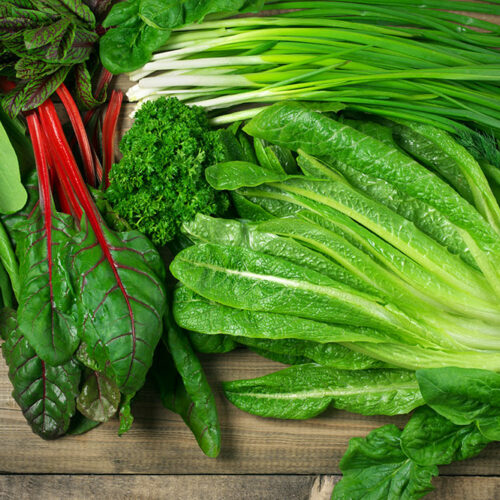
Diabetes is one of the most common and chronic conditions diagnosed in the country. Individuals may either have Type 1 or Type 2 diabetes, with the latter being more prevalent. The condition mainly affects the body’s ability to convert food into energy. Thus, it is vital to monitor one’s food intake and make healthy changes to manage blood sugar levels. The following options can help avoid insulin spikes, resulting in a healthier lifestyle. Fresh greens and vegetables Greens like broccoli and Brussel sprouts contain isothiocyanate compounds that help promote better insulin sensitivity. Okra contains certain compounds and enzymes like polysaccharides and flavonoid antioxidants that help bring down blood sugar. Kale is another superfood that is rich in fibers and flavonoids antioxidants that promote antidiabetic properties. Sweet potatoes and yams are also an excellent substitute for starchy veggies like potatoes to manage insulin production well. Fresh fruits Apples are rich in soluble fibers and quercetin, one of the main compounds that helps regulate blood sugar. Eating an apple a day helps reduce the risk of diabetes from a young age. Also, citrus-rich fruits like oranges and grapefruit have a very low glycemic index, meaning eating these will not trigger a spike in blood sugar levels.

Our
Blog.

9 most common types of depression you should know about

9 most common types of depression you should know about

All of us feel low, upset, and unmotivated at some point in our life, but this isn’t classified as depression. Depression is a mood disorder that overshadows a person’s thoughts, feelings, and actions. Signs and symptoms of this grave disorder can range from feeling hopeless and tired to completely losing the will to live. There are several types of depression and they are listed below so you can understand depression and people suffering from it better. Major Depression (Clinical Depression) The hallmark trait of this type of depression is the constant feeling of sadness or loss of interest in social life or any outside stimuli. It often lasts for two weeks or more in which a person can experience symptoms such as hopelessness, fatigue, and suicidal thoughts. Dysthymia (Persistent Depressive Disorder) Dysthymia lasts for years and can disrupt daily life and interfere with personal and professional relationships. Individuals with dysthymia are often seen as dark, pessimistic, or complainers by others, and they have a hard time being happy in typically pleasant situations. Manic Depression (Bipolar Disorder) People with manic depression experience high degrees of mood swings. Their train of thought can take them from feeling euphoric to feeling suicidal in just a few weeks.
Read More
Simple and practical guide points for expecting parents

Simple and practical guide points for expecting parents

Pregnancy is a new experience in every couple’s life, and one should understand a few things to ensure that the nine months are smooth and stress-free. Simply being prepared for pregnancy and looking forward to the joy of parenthood is not all there’s to childbirth. As a couple, you must understand, review, and adjust your lifestyle. Expecting mothers become their child’s nurturers and supporters from day one, but the expecting fathers, close relatives, and friends must also understand the key roles they will play right up to the due date. Here are a few simple family and pregnancy guide points to help you and your folks get started: Staying healthy Physical and mental wellbeing is extremely crucial for the expecting mother to ensure both her and the baby’s health. Diet plays a crucial role in this process, as the mother is now providing nutrition for the developing fetus as well as herself. As a family, you can take turns to ensure that the to-be mother is staying physically active, eating healthy and regularly, and not cultivating any bad habits. More importantly, family and loved ones should be prepared for the changes to come in the upcoming trimesters. Coping with changes – what to expect Morning sickness in the first trimester is quite common and can put a woman’s body under tremendous stress.
Read More