8 signs to consider dental implants

8 signs to consider dental implants
The condition of one’s teeth can significantly impact one’s overall health since food is a major source of nutrients for one’s body. Dental problems can emerge despite regular care for various reasons, from age to injury, potentially leading to tooth loss. In such cases, dental implants offer a safe and effective solution for restoring lost teeth. Here are some telltale warning signs that indicate one may require dental implants: Loose or wobbly teeth If one notices that the teeth have become loose or wobbly, it could be a sign of advanced gum disease (periodontitis). Gum disease can cause the supporting bone structure to deteriorate, leading to tooth mobility and eventual tooth loss. In such cases, dental implants may be necessary to replace the affected teeth and restore stability to one’s bite. Difficulty eating Problems with chewing food or discomfort while eating can clearly indicate dental issues. Missing teeth or those with severe damage can make it challenging to chew properly, leading to digestive problems and poor nutrition. In this case, dental implants provide a stable and functional chewing surface. Missing teeth Whether due to decay, injury, or a chronic dental condition, missing teeth can significantly impact one’s quality of life.
6 foods to avoid during ongoing treatment

6 foods to avoid during ongoing treatment
Individuals develop various health problems during their lifetime. While some are minor, others are severe and require many days of treatment and therapy to resolve. Irrespective of the condition’s type and severity, doctors ask patients to make specific lifestyle changes to speed up recovery. One of these changes involves avoiding foods that may interfere with ongoing treatments. From milk to chocolate and soft-cooked eggs, here are six foods patients should exclude from their meals. Grapefruit While grapefruit is delicious, some may need to avoid it when on a treatment plan. This citric fruit may interfere with how the body metabolizes the treatment’s ingredients. For instance, it may increase the absorption of specific chemical elements into the bloodstream, damaging the liver and causing the muscles to break down. Grapefruit must especially be avoided by those undergoing treatments for high cholesterol and thyroid disease. Milk Another food one should avoid when following a treatment plan is milk. Dairy products are rich in calcium, which could interfere with iron-rich treatments. They could lead to the improper absorption of treatment components into the bloodstream. Besides milk, one should stay away from dairy products like cheese and yogurt. Processed meats Processed meats are high in sodium and other preservatives.

6 signs of excessive sugar intake and associated health risks

6 signs of excessive sugar intake and associated health risks
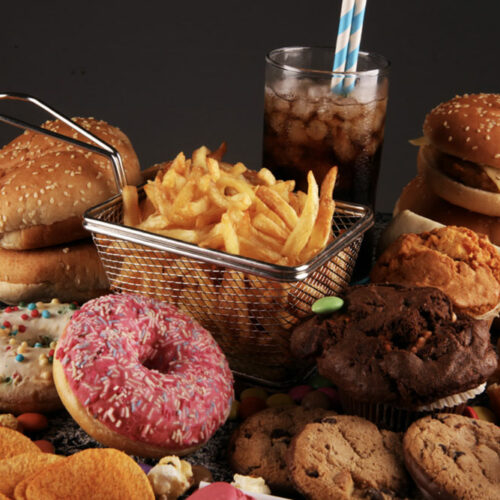
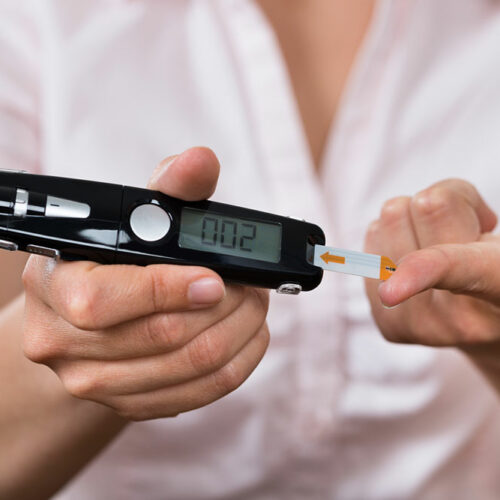
Consuming excessive amounts of sugar can lead to a number of critical health risks. Despite being subtle, there are numerous significant signs that reveal the nasty consequences of high blood sugar. From frequent colds to mood swings and dental problems, these warning signals shed light on the often underestimated health hazards associated with a nutritional regime high in sugar. This article discusses the signs of excessive sugar intake and the associated risks. Keep reading to learn more. Signs of excessive sugar intake Here are some of the ways in which one can ascertain that they consume excessive amounts of sugar regularly: Increased thirst Sugar draws water from body cells. Over a period of time, this causes dehydration in individuals. Apart from that, some of the other similar signs are heightened thirst and more frequent urination. Fatigue Sugar leads to rapid blood sugar spikes and crashes, resulting in energy fluctuations and persistent fatigue. This is why, when individuals consume sugary drinks or foods, they feel a rush of euphoria for a few moments but then feel tired right after that. If an individual feels perpetually fatigued, then they should get their blood sugar checked. Frequent colds Consuming meals high in sugar can negatively impact the immune system, thereby increasing the likelihood of contracting illnesses such as colds or the flu.

Top 8 unusual eczema triggers

Top 8 unusual eczema triggers
Eczema is a chronic skin disease that causes the skin to develop lesions. Here, skin irritation and itching are usually the first two symptoms. The skin condition is fairly common, with about 31.6 million people in the country affected by one of the forms of eczema. There are several known triggers of the condition, such as allergic reactions, cold and dry weather, and pollen. Here are some lesser-known eczema triggers: Perfumes The skin can absorb and react to different skincare products. However, unlike many cosmetics, the ingredients in perfumes can trigger flare-ups in those living with one or the other form of eczema. Most perfumes contain synthetic preservatives, chemicals, specific oils, and artificial fragrances, all of which are well-known skin irritants, making perfumes one of the most surprising triggers of eczema flare-ups. Creams Certain cosmetic or skincare creams contain chemicals such as salicylic acid, retinol, and glycolic acid. Each of these three ingredients can trigger itchiness and irritation when one uses such creams for a long time. People with eczema tend to have a relatively weaker skin barrier, which causes such chemicals to seep into the topmost layer of the epidermis, leading to moisture evaporation, dryness, and itching. Clothes Harsh fabrics like wool or synthetic materials such as nylon, rayon, or polyester cause overheating, making one sweat excessively if clothes with such materials are worn for longer periods.

7 warning signs of blood clotting disorder

7 warning signs of blood clotting disorder
Blood clotting or coagulation is an important bodily process that helps prevent excessive bleeding after an injury. It is a natural and crucial function of the body. But sometimes, the blood clotting can be abnormal, leading to various health issues. These complications point to blood clotting disorders caused by many factors, such as an underlying health condition, genetics, or certain treatments. Some early warning signs of such disorders are listed below. Inflammation and pain A common sign of blood clotting disorder is pain and swelling in the affected area. It could be anywhere in the body – the legs, arms, or other parts like the chest and abdomen. The skin may be discolored or appear red in the affected area and feel warm to the touch. Shortness of breath Since blood clotting may easily affect blood flow, one might experience shortness of breath. Besides, if the clotting forms in the lungs, it can lead to a severe condition called pulmonary embolism, which can be life-threatening if not diagnosed and treated immediately. Therefore, one should always be careful of sudden breathing issues or even those that develop gradually. Pain in chest If shortness of breath is also accompanied by pain in the chest, it could be a sign of a blood clotting disorder.

6 foods that trigger EoE symptoms

6 foods that trigger EoE symptoms
Eosinophilic esophagitis (EoE) is an inflammation of the esophagus that is caused by a white blood cell called an eosinophil. The disease has mostly been recorded in Caucasian males and can lead to esophageal narrowing over time. The treatment for EoE is generally supported by changes in one’s food intake as well. Doctors generally recommend eliminating certain foods to discover the underlying triggers for every individual. Some common foods to avoid for those suffering from EOE include: Soy Soy is a common allergen for many people and may trigger immune system responses as severe as an anaphylactic shock. Common soy-based foods include edamame, tofu, tempeh, soy butter, soy sauce, soy milk, and miso. It is also a common ingredient in many plant-based meats. Doctors may recommend going off of this high-allergen food group for six weeks, to check if reports improve. Dairy products Lactose is notoriously known as an allergen for many people. It is the main protein in most dairy products and can be difficult to digest, thus triggering different allergic responses. Depending on the person’s sensitivity levels, some may be able to continue enjoying baked goods with cow’s milk, while others may have to steer clear of any dairy products entirely.

Our
Blog.

9 most common types of depression you should know about

9 most common types of depression you should know about

All of us feel low, upset, and unmotivated at some point in our life, but this isn’t classified as depression. Depression is a mood disorder that overshadows a person’s thoughts, feelings, and actions. Signs and symptoms of this grave disorder can range from feeling hopeless and tired to completely losing the will to live. There are several types of depression and they are listed below so you can understand depression and people suffering from it better. Major Depression (Clinical Depression) The hallmark trait of this type of depression is the constant feeling of sadness or loss of interest in social life or any outside stimuli. It often lasts for two weeks or more in which a person can experience symptoms such as hopelessness, fatigue, and suicidal thoughts. Dysthymia (Persistent Depressive Disorder) Dysthymia lasts for years and can disrupt daily life and interfere with personal and professional relationships. Individuals with dysthymia are often seen as dark, pessimistic, or complainers by others, and they have a hard time being happy in typically pleasant situations. Manic Depression (Bipolar Disorder) People with manic depression experience high degrees of mood swings. Their train of thought can take them from feeling euphoric to feeling suicidal in just a few weeks.
Read More
Simple and practical guide points for expecting parents

Simple and practical guide points for expecting parents

Pregnancy is a new experience in every couple’s life, and one should understand a few things to ensure that the nine months are smooth and stress-free. Simply being prepared for pregnancy and looking forward to the joy of parenthood is not all there’s to childbirth. As a couple, you must understand, review, and adjust your lifestyle. Expecting mothers become their child’s nurturers and supporters from day one, but the expecting fathers, close relatives, and friends must also understand the key roles they will play right up to the due date. Here are a few simple family and pregnancy guide points to help you and your folks get started: Staying healthy Physical and mental wellbeing is extremely crucial for the expecting mother to ensure both her and the baby’s health. Diet plays a crucial role in this process, as the mother is now providing nutrition for the developing fetus as well as herself. As a family, you can take turns to ensure that the to-be mother is staying physically active, eating healthy and regularly, and not cultivating any bad habits. More importantly, family and loved ones should be prepared for the changes to come in the upcoming trimesters. Coping with changes – what to expect Morning sickness in the first trimester is quite common and can put a woman’s body under tremendous stress.
Read More