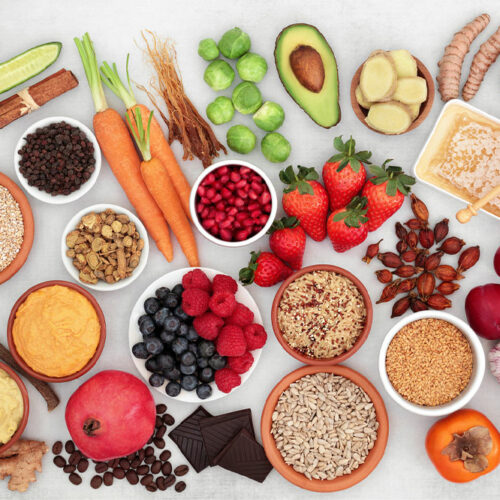
6 beginner keto mistakes to avoid

6 beginner keto mistakes to avoid
Planning daily meals is a hands-on task, especially when cooking from scratch. But, this task is even more time-consuming when following a strict food regime like keto. Starting a keto-based habit for the first time is challenging as certain foods need to be omitted and substituted to achieve ketosis. So, here is a list of beginner mistakes to avoid to plan an effective keto meal plan strategy in the long run. 6 beginner keto mistakes to avoid Not portioning meals properly Since a lot of foods in the new regime get substituted, it is necessary to weight, measure, prep, and portion out everything to ensure nutrition levels are met. Also, once the body gets used to the process of ketosis, it becomes even more crucial to follow a strict calorie count. Nutritionists recommend prepping and storing most days meals in advance so that less time is lost in cooking. Keto meal delivery services tend to portion meals out as per individual requirement and can be of use in these cases. Not working out Simply including low-carb and low-calorie foods is not enough for loss of body mass. It is easy to quickly shed off water weight but post that, only physical activity can help the body burn existing fat quicker.


Managing immune thrombocytopenia – Foods to eat and avoid

Managing immune thrombocytopenia – Foods to eat and avoid
Immune thrombocytopenia or ITP is a disease that is often characterized by low platelet count in the body, where the patients may find themselves bleeding profusely due to frequent bruising. It is an immune condition against the body’s platelets that can cause immense stress and discomfort, managed by proper treatment and lifestyle changes. Other issues that can be faced due to the illness include bleeding gums and internal bleeding. What is immune thrombocytopenia? It is a blood disorder that is often diagnosed by a decrease in the number of platelets in the body. Platelets are the cells that help circulate blood from one part of the body to another. These tiny cells come together when they identify damaged blood vessels and cause the blood to clot and stop its outward flow. However, in patients suffering from immune thrombocytopenia, fewer platelets can lead to uncontrolled bleeding, weakness, and other problems. Foods to eat In addition to seeking advice from a healthcare professional and following the treatment plan set by them, the patients can also choose to make certain lifestyle changes, including food habits, to help ease the problems caused by the illness. These changes may help in increasing the platelet count and lessen their stress .

Foods to have and avoid to improve bladder control

Foods to have and avoid to improve bladder control
People suffering from urinary incontinence or overactive bladder syndrome experience sudden and frequent urges to urinate. If their condition is advanced, they may also experience some leakage at times, which can largely interfere with their daily activities. However, certain foods can be added and avoided in their everyday meals to minimize or ease the symptoms of bladder-related disorders. The following are some foods to add and avoid in one’s meal plans. Foods to eat: Whole grains Whole grains such as quinoa, rice, and oats are rich in fibers that help in controlling an overactive bladder. Fiber-rich foods, such as brown bread, wheat pasta, cereal, or even brown rice, are beneficial for the urinary bladder and gut health. Some people who suffer from constipation, in addition to an overactive bladder, must increase their fiber intake. Lean proteins Having foods that are rich in lean protein strengthens the muscles that line the urinary bladder and thus, also helps with bladder control over it. Moreover, these foods are rich in fiber content, which is beneficial for bladder health. These foods may include meats like low-fat beef, pork, chicken, turkey, fish, or eggs. There are also plant-based sources of protein such as beans, soy, and oats that can be added to meals.

5 common mistakes people make with their fridge

5 common mistakes people make with their fridge
It is a common practice for many people to stuff their grocery haul into the fridge and call it a day. While stocking a fridge is quick and easy, this approach can do more harm than good. It can increase the risk of food spoilage and hamper the optimal functioning of the fridge. To ensure the appliance’s durability and lower the risk of food spoilage, avoid these common mistakes people often make with their fridge. Not making the most of the fridge space A common problem many face is that the fridge space is not enough to store everything they want. But if one looks closely, they will find many things inside the fridge that have eaten up some necessary space—for instance, bottles of expired sauces or juice boxes and yogurt tubs that have gone bad. A common mistake many people commit is forgetting to declutter their fridge, making it difficult for them to make the most of the available space. Keeping the temperature too high or too low It is important to set the fridge temperature at the correct level depending on the weather conditions. For instance, the fridge temperature can be at the lower end during warm and hot months and towards the higher end during colder months.

foods that can exacerbate asthma

foods that can exacerbate asthma
Foods that can exacerbate asthma There are no specific guidelines related to food that can help cure asthma. However, there are changes that can be made to eating patterns and preferences that can help better manage the condition. Healthy food choices can help lower the frequency of flare-ups. Well-balanced meals are of course a helping hand in this journey. But at the same time, it is equally important to be aware of foods that need to be avoided: Soy: The American Academy of Allergy, Asthma, and Immunology has listed it along with other common foods that cause intolerance or result in allergic reactions. If one has a known allergy to soy, it can also lead to a flare-up in asthma symptoms. It is, therefore, best to avoid soy. Dried fruits: Dried fruits are packed with nutrients that help nourish the body. But, at the same time, they are also concentrated sources of sulfites. It is useful in the preservation of dried fruit but can prove to be an aggravator of symptoms for people with asthma. Beans: Beans are often associated with foods that caused gastric discomfort and result in acid reflux, gas, and/or bloating. All of this results in tightness of the chest and pressure over the diaphragm.

Foods that can aggravate asthma

Foods that can aggravate asthma
There are no specific guidelines related to food that can help cure asthma. However, there are changes that can be made to eating patterns and preferences that can help better manage the condition. Healthy food choices can help lower the frequency of asthma flare-ups. Well-balanced meals are, of course, a helping hand in this journey. But at the same time, it is equally important to be aware of foods that need to be avoided. Let’s have a look at some foods that trigger asthma and its symptoms. Soy The American Academy of Allergy, Asthma, and Immunology has listed soy along with other common foods that cause intolerance or result in allergic reactions. If one has a known allergy to soy, it can also lead to a flare-up in asthma symptoms. It is, therefore, best to avoid soy. Dried fruits Dried fruits are packed with nutrients that help nourish the body. But, at the same time, they are also concentrated sources of sulfites. It is useful in the preservation of dried fruit but can prove to be an aggravator of symptoms for people with asthma. Beans Beans are often associated with foods that cause gastric discomfort and result in acid reflux, gas, and/or bloating.

Our
Blog.

9 most common types of depression you should know about

9 most common types of depression you should know about

All of us feel low, upset, and unmotivated at some point in our life, but this isn’t classified as depression. Depression is a mood disorder that overshadows a person’s thoughts, feelings, and actions. Signs and symptoms of this grave disorder can range from feeling hopeless and tired to completely losing the will to live. There are several types of depression and they are listed below so you can understand depression and people suffering from it better. Major Depression (Clinical Depression) The hallmark trait of this type of depression is the constant feeling of sadness or loss of interest in social life or any outside stimuli. It often lasts for two weeks or more in which a person can experience symptoms such as hopelessness, fatigue, and suicidal thoughts. Dysthymia (Persistent Depressive Disorder) Dysthymia lasts for years and can disrupt daily life and interfere with personal and professional relationships. Individuals with dysthymia are often seen as dark, pessimistic, or complainers by others, and they have a hard time being happy in typically pleasant situations. Manic Depression (Bipolar Disorder) People with manic depression experience high degrees of mood swings. Their train of thought can take them from feeling euphoric to feeling suicidal in just a few weeks.
Read More
Simple and practical guide points for expecting parents

Simple and practical guide points for expecting parents

Pregnancy is a new experience in every couple’s life, and one should understand a few things to ensure that the nine months are smooth and stress-free. Simply being prepared for pregnancy and looking forward to the joy of parenthood is not all there’s to childbirth. As a couple, you must understand, review, and adjust your lifestyle. Expecting mothers become their child’s nurturers and supporters from day one, but the expecting fathers, close relatives, and friends must also understand the key roles they will play right up to the due date. Here are a few simple family and pregnancy guide points to help you and your folks get started: Staying healthy Physical and mental wellbeing is extremely crucial for the expecting mother to ensure both her and the baby’s health. Diet plays a crucial role in this process, as the mother is now providing nutrition for the developing fetus as well as herself. As a family, you can take turns to ensure that the to-be mother is staying physically active, eating healthy and regularly, and not cultivating any bad habits. More importantly, family and loved ones should be prepared for the changes to come in the upcoming trimesters. Coping with changes – what to expect Morning sickness in the first trimester is quite common and can put a woman’s body under tremendous stress.
Read More