7 foods that help relieve seasonal allergy symptoms
7 foods that help relieve seasonal allergy symptoms
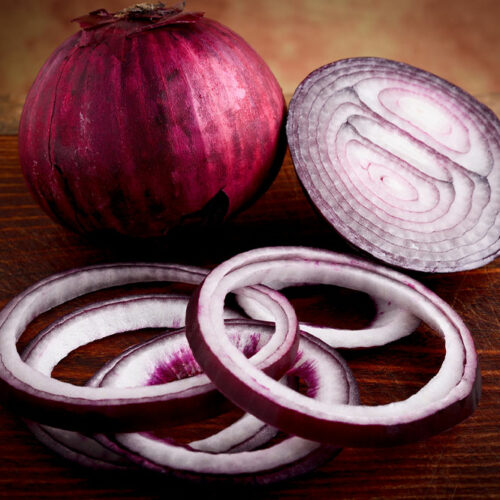
Seasonal allergies each year bring symptoms like sneezing, sniffling, runny nose, and itchy eyes. While treatments can help relieve some allergy symptoms, the effect is enhanced when one makes better food choices. So, it is important to know which foods can help one deal with seasonal allergies. Some nutrient-rich options can help lower inflammation in the body. However, one should consult a healthcare specialist before making drastic changes to meals. Onions Foods like onions, garlic, berries, citrus fruits, leafy vegetables, and apples are rich in quercetin. Quercetin is a flavonoid with anti-inflammatory and anti-histamine properties. It helps in bringing down histamine production in the body, alleviating symptoms of seasonal allergies. The decreased production of histamine lowers the intensity of allergic reactions. Adding these foods to meal meals, especially in preparation for the allergy season, is a great way of getting nutrients and keeping symptoms at bay. These foods can also help one recover after a major allergic reaction. Yogurt Probiotics are essential for the proper functioning of the immune system. They contain bacteria that improve gut health and strengthen immunity. Yogurt contains probiotics, helping the immune system fight infections. Other items rich in probiotics are fermented foods like kefir, sauerkraut, and kombucha.
Overactive bladder – Foods to avoid

Overactive bladder – Foods to avoid
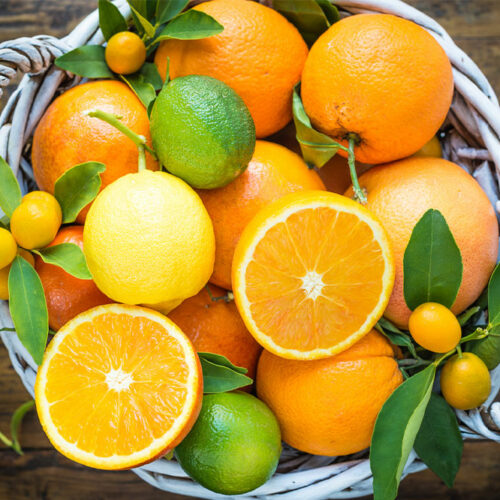
Overactive bladder, also commonly known as OAB, is characterized by the frequent and sudden urge to pass urine, which cannot be controlled. Those with this condition may also experience urgency incontinence or unintentional loss of urine. One’s eating habits can help a great deal in managing an overactive bladder. On that note, here is a list of four foods to avoid or restrict to reduce the symptoms of an overactive bladder. Foods to avoid Citrus fruits like oranges Fruits with high concentrations of acid are considered to be trigger foods for those with an overactive bladder. The acid in oranges, lemons, grapefruits, and limes irritates the inner lining of the bladder. Hence, it is essential to consume them in moderation. The list also covers juices and lemonades. Caffeine Caffeinated beverages are among the most common foods that contribute to an overactive bladder. The caffeine in tea and coffee acts as a bladder stimulant and increases the frequency of passing urine. It is advisable to lower the consumption of caffeinated beverages to avoid aggravating the symptoms of bladder incontinence. Artificial sweeteners Foods rich in sugar and artificial sweeteners like sodas, pastries, icecreams, and sugar-free desserts should be avoided or limited. Artificial sweeteners like aspartame, sodium saccharin, and acesulfame K, which are usually used in frozen desserts, increase urinary frequency and urgency.

Foods to eat and avoid for managing schizophrenia

Foods to eat and avoid for managing schizophrenia
It has been observed that those who have schizophrenia, a chronic psychological illness, usually have diets that are unhealthy, low in fiber and fruit, and high in saturated fats. Unhealthy eating habits typically lead to other health problems which can also put people with schizophrenia at high risk for diabetes, cardiovascular disease, and more. According to research, dietary changes do really help manage schizophrenia. Here are some best and worst foods for schizophrenia. Foods to eat Fruits Many studies show that people with schizophrenia usually do not get enough fiber, and thus, need to eat fruits. Some of the best sources of fiber are apples, pears, and raspberries. Fiber not only helps reduce bad cholesterol but also helps in digestion, thereby reducing the chances of certain health problems associated with schizophrenia such as obesity, diabetes, and heart disease. Vegetables Vegetables don’t have heart-heavy cholesterol, are packed with essential vitamins and fiber, and are low in calories and fat. Veggies like sweet potatoes, kidney beans, and lima beans contain potassium that could help in keeping blood sugar in check. The best food for schizophrenia is spinach as it is high in folate, which could help in easing symptoms of schizophrenia. Apart from spinach, folate can also be found in asparagus and black-eyed peas.

Diabetes – Understanding the early signs and trigger foods

Diabetes – Understanding the early signs and trigger foods
A type of autoimmune disease, diabetes, is caused due to increased blood sugar levels of the body. This condition affects a lot of individuals as statistics suggest that there are more than 100 million people globally who have diabetes. However, despite being so widespread, diabetes is rarely caught in the initial stages. This article lists eight early warning signs of diabetes and foods to avoid to prevent the development. Reduced healing capabilities Individuals who have diabetes will also observe a decrease in their body’s healing capacity. This is because high blood sugar can affect the body’s ability to tackle wear and tear. The compromised immune system is unable to treat wounds due to the delayed response. Patches on the skin Another common sign of diabetes is acanthosis nigricans. This condition leads to dark, patchy skin in the creases of the armpits, neck, and even groin. This skin is usually soft to touch and does not cause itchiness. Numbness in the body Another early warning sign of diabetes is numbness in different parts of the body. This numbness is usually caused due to diabetic neuropathy. Diabetic neuropathy is a condition where the nerves suffer from damage due to prolonged high blood sugar levels in the body.

Crohn’s disease and ulcerative colitis – Foods to avoid and management options

Crohn’s disease and ulcerative colitis – Foods to avoid and management options
Inflammatory bowel diseases (IBD) such as Crohn’s Disease and Ulcerative Colitis can make it challenging for people to get the proper nutrition their body needs. However, the body may not digest or absorb the nutrients well, leading to malnutrition and other deficiencies. To avoid these troubles, it is essential to know the foods that can trigger inflammation and lead to flare-ups in people with Crohn’s Disease and Ulcerative Colitis and their treatment options. Foods to avoid for Crohn’s Disease and Ulcerative Colitis Some foods can trigger IBD symptoms and worsen inflammation. However, there’s no single chart that applies to every person with IBD. The condition can change over time. To understand current triggers, try to maintain a food diary to help patients track their state over time. Common culprits that may trigger flares of Crohn’s Disease and ulcerative colitis include: Caffeine Caffeinated drinks like coffee can worsen Crohn’s and UC symptoms, like diarrhea and stomach pain, by speeding up gut motility. Carbonated drinks Carbonation is gassy and can cause bloating, which can be an unpleasant symptom of IBD. Crunchy nut butter Nuts are sharp and complex to digest, irritating the lining of the intestines; therefore, opt for smooth nut butter instead.

4 foods that help keep GERD at bay

4 foods that help keep GERD at bay
GERD, or gastroesophageal reflux disease, is a chronic acid reflux condition in which stomach acid repeatedly flows back into the tube connecting the mouth and stomach. This acid reflux can irritate the esophagus lining, causing other health complications. While it is common to experience acid reflux sometimes, it is still recommended to see a doctor. It is also essential to be careful of food choices, so here are some foods which keep GERD at bay. Ginger Known for its medicinal properties, ginger is one of the best herbs to consider when managing acid reflux. It is alkaline and is also known for its anti-inflammatory properties, making it a great choice of ingredient to add to vegetables, soups, and tea. It is learned that acid reflux also often happens due to an inflammation in the lower esophageal sphincter muscle, so ginger can provide some relief. Some ways to incorporate this in meals include adding crushed ginger to cooked vegetables, ginger paste, or even sliced ginger to soup and boiling a broth with this ingredient. Ginger tea is another clever way of getting the ingredient benefits without chewing on it by simply sipping on this hot brew slowly in the morning or evening.

Our
Blog.

9 most common types of depression you should know about

9 most common types of depression you should know about

All of us feel low, upset, and unmotivated at some point in our life, but this isn’t classified as depression. Depression is a mood disorder that overshadows a person’s thoughts, feelings, and actions. Signs and symptoms of this grave disorder can range from feeling hopeless and tired to completely losing the will to live. There are several types of depression and they are listed below so you can understand depression and people suffering from it better. Major Depression (Clinical Depression) The hallmark trait of this type of depression is the constant feeling of sadness or loss of interest in social life or any outside stimuli. It often lasts for two weeks or more in which a person can experience symptoms such as hopelessness, fatigue, and suicidal thoughts. Dysthymia (Persistent Depressive Disorder) Dysthymia lasts for years and can disrupt daily life and interfere with personal and professional relationships. Individuals with dysthymia are often seen as dark, pessimistic, or complainers by others, and they have a hard time being happy in typically pleasant situations. Manic Depression (Bipolar Disorder) People with manic depression experience high degrees of mood swings. Their train of thought can take them from feeling euphoric to feeling suicidal in just a few weeks.
Read More
Simple and practical guide points for expecting parents

Simple and practical guide points for expecting parents

Pregnancy is a new experience in every couple’s life, and one should understand a few things to ensure that the nine months are smooth and stress-free. Simply being prepared for pregnancy and looking forward to the joy of parenthood is not all there’s to childbirth. As a couple, you must understand, review, and adjust your lifestyle. Expecting mothers become their child’s nurturers and supporters from day one, but the expecting fathers, close relatives, and friends must also understand the key roles they will play right up to the due date. Here are a few simple family and pregnancy guide points to help you and your folks get started: Staying healthy Physical and mental wellbeing is extremely crucial for the expecting mother to ensure both her and the baby’s health. Diet plays a crucial role in this process, as the mother is now providing nutrition for the developing fetus as well as herself. As a family, you can take turns to ensure that the to-be mother is staying physically active, eating healthy and regularly, and not cultivating any bad habits. More importantly, family and loved ones should be prepared for the changes to come in the upcoming trimesters. Coping with changes – what to expect Morning sickness in the first trimester is quite common and can put a woman’s body under tremendous stress.
Read More