Here’s how early retirement raises the risk of dementia

Here’s how early retirement raises the risk of dementia
Dementia covers a range of disorders like Alzheimer’s, Parkinson’s, and Huntington’s diseases. Cognitive decline is a primary problem associated with any form of these disorders. But this decline is influenced by several factors that determine the future outlook of such conditions. Clinical studies have determined a link between early retirement and dementia risks to assess severity. Here’s why getting an early retirement may not be ideal for better mental health. Understanding the early risk Dementia is known to affect memory, communication, thinking power, and reasoning. This progressive disorder aggravates symptoms that are influenced by the decline of cognitive abilities. In layman’s terms, if the brain cells aren’t used, healthy cells will irreversibly lose their functionality. After retirement, one may cut down on daily social interactions and engaging conversations that keep the mind active. More recent research on the links between early retirement and dementia indicates that the risk is higher among those who are not working anymore. Key factors that determine the risk of dementia Studies and surveys indicate a serious rate of decline in physical and psychological abilities after retirement. At such times, daily activities that keep the mind active are replaced by a sedentary lifestyle that doesn’t challenge bodily actions.

6 reasons for missing periods while on birth control

6 reasons for missing periods while on birth control
Many women resort to birth control pills to control their pregnancy chances and timings. Some women may experience withdrawal bleeding or spotting. However, in some cases, a lapse in monthly menstruation can occur while consistently using oral contraceptives (OCPs). There are many reasons for this to happen. Fret not! Read on to find out the various factors that could be the cause of missing your period while on birth control pills. Eating habits Drastic changes in the amount and type of food being consumed can be one of the reasons for missing your periods while on birth control. Changes in eating habits and patterns can cause significant changes in the levels and functions of your hormones, subsequently leading to changes in the menstrual cycle. The hormonal imbalance and changes in ovulation may lead to missed or delayed periods while on birth control. Stress Stress is among the more common causative factors of absent periods. It can also lead to longer or shorter cycles. Studies suggest these changes can be attributed to excessive cortisol secretion in the body. The extra cortisol produced due to stress causes shorter or missed periods that can happen even when on birth control. Regulating missed periods because of stress includes practicing stress-relieving techniques such as meditation, stretching, breathing exercises, and yoga.

4 human foods that cats can enjoy

4 human foods that cats can enjoy
Our pet cats are part of the family. So, it is quite normal and common to want to share your food with them. But when it comes to giving them treats off your plate, you should be careful. This is because some human foods can be harmful; however, there is an extensive list of foods that are perfectly safe for them. Read on to find out more about human foods that are safe for cats. Fish Fish is one of the best human foods that you can treat your pet cat to. But of course, not all fish is good for your cat. You want to stick to oily fish such as salmon, mackerel, and tuna to ensure they get the essential omega-3 fatty acids and other vitamins and nutrients. Fatty fish is known to help with eyesight, reduce joint pain, and improve brain function in cats and humans. Note that it is crucial to cook any fish you are feeding your cat to avoid digestive troubles. Meat Meat is another great human food that you can feed your cat. They are rich in protein and provide lots of nourishment when cooked healthily. But remember, meat also contains tons of bacteria such as E.coli, which can make your cat sick.

Osteoporosis – early signs and foods to help manage the symptoms

Osteoporosis – early signs and foods to help manage the symptoms
The bones in our body are living tissues that continuously move and repair on their own. As you age, the rate of repair becomes slow, leading to osteoporosis. This is a condition in which bone quality and density reduce. If you’re looking to prevent or slow the effect of osteoporosis, exercise and some changes in your daily meals go a long way. Take a look at early signs and foods that help relieve osteoporosis. Early signs One of the earliest signs of osteoporosis is a fracture of your wrist, back, hip, or any other bone due to mild trauma caused by a minor trip or fall. A bone injury from a previous fall can result in future fractures when you develop osteoporosis. A loss of height, change in posture, back pain, and a stooped posture are also early signs of osteoporosis. Foods to manage osteoporosis Eggs Eggs are a great source of vitamin D, essential for bone health. Vitamin D is a fat-soluble nutrient that forms on your skin after it’s exposed to the UV rays of the sun. It is vital for calcium absorption and the functioning of bone cells. Other foods rich in vitamin D are salmon, mackerel, tuna fish, fortified milk, beef liver, pork, and cheese.

6 foods that can help reduce the risk of dementia

6 foods that can help reduce the risk of dementia
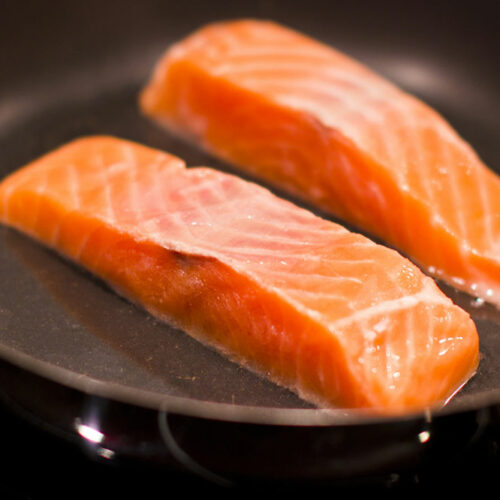
Dementia is a psychological condition involving the progressive loss of cognitive abilities, including memory, reasoning, concentration, and the ability to carry out daily tasks. Many patients with dementia show behavioral changes and mood swings, hallucinate, and get disorientated and irritable. Besides early diagnosis and timely treatment, constant care, family support, and some lifestyle changes can contribute to healing from dementia. Here are some foods that can help individuals prevent and manage dementia symptoms: Spinach Spinach contains high levels of lutein, an antioxidant that helps prevent loss of cognitive functions. Moreover, several studies have drawn associations between the intake of spinach and other leafy greens and the prevention of cognitive decline. Spinach can be added to stir-fries, gravies, soups, smoothies, etc. Fatty fish Fatty fish varieties like salmon, tuna, and mackerel are packed with Docosahexaenoic acid (DHA). Studies have demonstrated a decline in DHA levels among individuals with Alzheimer’s disease, a leading cause of dementia. Thus, a meal plan rich in DHA can help reduce one’s susceptibility to these psychological conditions. A daily intake of 200 mg of DHA is recommended for brain health. Broccoli Being a cruciferous vegetable, broccoli is rich in carotenoids and vitamin B. These components can reduce the levels of homocysteine, an amino acid known to contribute to cognitive decline and related psychological conditions in the body.

6 foods that help relieve pregnancy symptoms

6 foods that help relieve pregnancy symptoms
Following conception, pregnancy symptoms can be detected as early as two weeks. Nausea, fatigue and irregular cravings, among others are valid indicators of the possible onset of pregnancy. A pregnancy test will be required to confirm it. Once that happens, most of these symptoms still persist and cause real discomfort to the expecting mother. Dietary changes can help manage the pregnancy symptoms, with some of the most potent ones mentioned below: Ginger tea In the first trimester of pregnancy, women often suffer from nausea and vomiting. It can sometimes last all day for certain women, starting around the sixth week of pregnancy and lasting until the 12th week. Ginger root contains specific chemicals that help ease some of this discomfort. Gingerols and shogaols – two compounds found in ginger, are thought to act as receptors in the digestive system and help empty the stomach. Additionally, ginger is known to relieve pain due to uterine cramping. Banana Besides providing some beneficial nutrients and minerals to the mother and the child, bananas also impart comfort by easing some of the pregnancy symptoms. It helps prevent constipation problems, controls abdominal bloating, and smoothens bowel movement. Women also suffer from loss of appetite during pregnancy, and eating bananas helps boost their urge to eat.

Our
Blog.

9 most common types of depression you should know about

9 most common types of depression you should know about

All of us feel low, upset, and unmotivated at some point in our life, but this isn’t classified as depression. Depression is a mood disorder that overshadows a person’s thoughts, feelings, and actions. Signs and symptoms of this grave disorder can range from feeling hopeless and tired to completely losing the will to live. There are several types of depression and they are listed below so you can understand depression and people suffering from it better. Major Depression (Clinical Depression) The hallmark trait of this type of depression is the constant feeling of sadness or loss of interest in social life or any outside stimuli. It often lasts for two weeks or more in which a person can experience symptoms such as hopelessness, fatigue, and suicidal thoughts. Dysthymia (Persistent Depressive Disorder) Dysthymia lasts for years and can disrupt daily life and interfere with personal and professional relationships. Individuals with dysthymia are often seen as dark, pessimistic, or complainers by others, and they have a hard time being happy in typically pleasant situations. Manic Depression (Bipolar Disorder) People with manic depression experience high degrees of mood swings. Their train of thought can take them from feeling euphoric to feeling suicidal in just a few weeks.
Read More
Simple and practical guide points for expecting parents

Simple and practical guide points for expecting parents

Pregnancy is a new experience in every couple’s life, and one should understand a few things to ensure that the nine months are smooth and stress-free. Simply being prepared for pregnancy and looking forward to the joy of parenthood is not all there’s to childbirth. As a couple, you must understand, review, and adjust your lifestyle. Expecting mothers become their child’s nurturers and supporters from day one, but the expecting fathers, close relatives, and friends must also understand the key roles they will play right up to the due date. Here are a few simple family and pregnancy guide points to help you and your folks get started: Staying healthy Physical and mental wellbeing is extremely crucial for the expecting mother to ensure both her and the baby’s health. Diet plays a crucial role in this process, as the mother is now providing nutrition for the developing fetus as well as herself. As a family, you can take turns to ensure that the to-be mother is staying physically active, eating healthy and regularly, and not cultivating any bad habits. More importantly, family and loved ones should be prepared for the changes to come in the upcoming trimesters. Coping with changes – what to expect Morning sickness in the first trimester is quite common and can put a woman’s body under tremendous stress.
Read More