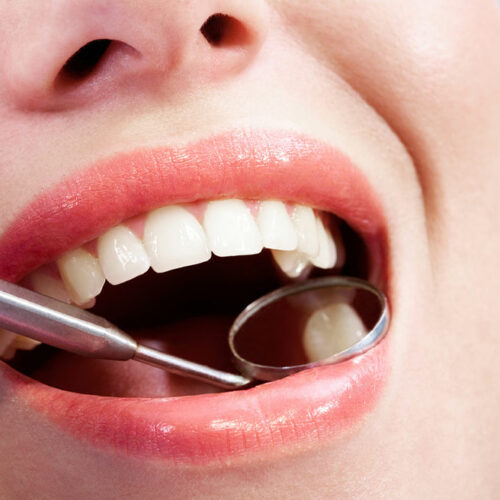
5 clear signs of halitosis

5 clear signs of halitosis
Halitosis, commonly known as bad breath, is a prevalent concern usually brought on by certain foods, health conditions, and habits. Persistent bad breath can impact social interactions. Often, one may not be aware that they have halitosis, as their own senses adapt to the symptoms over time. So, recognizing its signs is the first step toward addressing this concern. Here is a look at the top signs of the condition: Persistent unpleasant odor One of the most prominent signs of halitosis is a persistent and unpleasant odor arising from the mouth. This odor often lingers despite regular brushing and oral hygiene practices. It is crucial to distinguish between temporary bad breath, which can be caused by pungent foods, and the long-lasting, foul breath associated with halitosis. Lingering bad taste Those with halitosis often complain of a persistent, unpleasant taste in their mouths. This taste may be described as metallic, bitter, or foul. It can linger throughout the day and may intensify after having certain foods or beverages. Dry mouth Saliva plays a crucial role in maintaining oral health by rinsing away food particles and neutralizing acids produced by bacteria. When the mouth does not produce enough saliva, a condition known as xerostomia or dry mouth can occur.


8 things one should never clean with paper towels

8 things one should never clean with paper towels
Wiping surfaces and other items with paper towels is an easy way to clean them quickly. Once the towel has served its purpose, the individual can throw it away and use another. However, some surfaces and products should never be cleaned with paper towels. While one might get that region dry and sparkly clean, it could damage it in the long run. On that note, one should avoid cleaning these eight things with a paper towel. Electronics Several people use paper towels to clean electronics like televisions, laptops, and smartphones, especially the screens. But while it might not look like it, paper towels are abrasive in nature. So when an individual uses the towel, it could scratch the body of the device and even the screen. Instead, one should use a microfiber cloth dedicated to cleaning these surfaces. Cutting boards It’s easy to want to wipe a cutting board with a paper towel to soak meat juices because it’s convenient and quick. But one should know that the towel might not absorb the liquid as well as it should, causing one to use more, which results in a lot of wastage. A clean, damp cloth that is washable and reusable is better suited to clean cutting boards with such residue.

5 early warning signs of hereditary angioedema

5 early warning signs of hereditary angioedema
Hereditary Angioedema or HAE, as referred by specialists, is a rare condition that is passed down genetically. It affects the immune system, causing erratic control over inflammatory responses. As a result, one might experience swelling in vital organs, primarily affecting the skin, respiration, and even the gastrointestinal tract. HAE symptoms may develop as early as puberty or later during adulthood and present moderate to severe symptoms. Here is a brief overview. Common triggers of HAE HAE can be the result of stress, anxiety, or even develop as a side effect of certain prescriptions given to manage other known conditions. Further, complications from a surgical procedure, underlying chronic illnesses, allergic reactions to certain foods or beverages, and even external environmental factors can result in the following symptoms. Skin problems Visible changes in the texture and surface of the skin are among the first signs of developing angioedema. Skin tightness and a tingling sensation are among the first signs of skin problems that one might notice. The severity of the disease progression will determine the intensity of the swelling. Initially, there is no pain, but as the symptoms persist, swelling in the hands, feet, face, mouth, genitals, and even the buttocks, where the skin will become more painful to touch.

5 breathing mistakes to avoid for healthy lungs

5 breathing mistakes to avoid for healthy lungs
Breathing is a vital function that supplies oxygen to the human body and gets rid of carbon dioxide. Breathing correctly promotes relaxation, reduces stress, strengthens the immune system, lowers heart rate, improves mental clarity, and provides several other benefits. Unfortunately, most people do not pay attention to how they breathe, which leads to respiratory problems and lung diseases. This post discusses the common breathing mistakes one should avoid for optimal lung health. Shallow breathing Shallow breathing, also known as chest breathing, is a common mistake. In this type of breathing, the air only reaches the upper part of the lungs, which means the lower part does not receive sufficient oxygen. This can lead to shortness of breath and other lung problems. To avoid complications, one can practice deep breathing exercises that involve filling the lungs with air from the bottom to the top. Mouth breathing Mouth breathing is another common mistake, especially during physical activities like running or exercising. When one breathes through their mouth, the air does not get filtered or humidified, which can cause lung irritation and inflammation. Experts recommended breathing through the nose as much as possible, as it helps filter and humidify the air before it reaches the lungs.

6 dental issues indicating high sugar intake

6 dental issues indicating high sugar intake
Having a sweet tooth is more common in the country than one would imagine. According to a recent survey, 59% of respondents (who snack often) in the country chose cookies as their favorite snacks, with ice cream and sweets also featuring among the top 10 picks. While desserts are instant mood enhancers, excessive sugar intake triggers several health issues, which include compromised dental health. Here are a few ways in which sugar affects oral health: Dental cavities The teeth contain two types of hard tissues—enamel and dentin. When sugar enters the mouth, it may be metabolized by oral bacteria to give rise to acid, which can demineralize the enamel and the dentin, causing cavities. Food particles may enter these cavities, leading to tooth decay and further complications. Although teeth cavities may be covered with dental fillings, this process is rather expensive, accounting for 5–10% of the healthcare budget. Plaque Plaque or tartar refers to a sticky coating of bacteria on the teeth, causing bad breath, dark stains, and hard teeth deposits. Often, tartar is formed when the molecules present in sugary foods mix with one’s saliva and oral bacteria. If left untreated, tartar may dissolve the enamel and lead to the development of dental cavities.

6 foods to eat when running a fever

6 foods to eat when running a fever
When one feels under the weather, eating the right foods may help provide relief. Even though an appetite may be close to nonexistent, one should not remain hungry, as fever burns more calories than the body does on a daily basis. Plus, when fighting off an infection, the body requires more nutrients and energy to strengthen the immune system. Hence, one must eat right and avoid certain food items to regain the lost strength. Fever – Top 6 foods to eat Even though one might not be in the mood or have an appetite when sick, one must eat nutrient-rich food to get stronger. Some of the best foods to eat during a fever are: Chicken soup A go-to meal during sickness, chicken soup has been consumed for generations. It’s not only easy to eat but also contains calories, vitamins, and minerals that the body needs while recovering from an illness. Furthermore, chicken soup is also a great source of liquids and electrolytes, which can be helpful if one is at risk of dehydration due to fever. Moreover, the broth is rich in collagen, which may promote recovery. Coconut water One of the ideal beverages to consume when sick, coconut water contains electrolytes which are needed along with fluids when one is sweating, vomiting or running a fever.

Our
Blog.

9 most common types of depression you should know about

9 most common types of depression you should know about

All of us feel low, upset, and unmotivated at some point in our life, but this isn’t classified as depression. Depression is a mood disorder that overshadows a person’s thoughts, feelings, and actions. Signs and symptoms of this grave disorder can range from feeling hopeless and tired to completely losing the will to live. There are several types of depression and they are listed below so you can understand depression and people suffering from it better. Major Depression (Clinical Depression) The hallmark trait of this type of depression is the constant feeling of sadness or loss of interest in social life or any outside stimuli. It often lasts for two weeks or more in which a person can experience symptoms such as hopelessness, fatigue, and suicidal thoughts. Dysthymia (Persistent Depressive Disorder) Dysthymia lasts for years and can disrupt daily life and interfere with personal and professional relationships. Individuals with dysthymia are often seen as dark, pessimistic, or complainers by others, and they have a hard time being happy in typically pleasant situations. Manic Depression (Bipolar Disorder) People with manic depression experience high degrees of mood swings. Their train of thought can take them from feeling euphoric to feeling suicidal in just a few weeks.
Read More
Simple and practical guide points for expecting parents

Simple and practical guide points for expecting parents

Pregnancy is a new experience in every couple’s life, and one should understand a few things to ensure that the nine months are smooth and stress-free. Simply being prepared for pregnancy and looking forward to the joy of parenthood is not all there’s to childbirth. As a couple, you must understand, review, and adjust your lifestyle. Expecting mothers become their child’s nurturers and supporters from day one, but the expecting fathers, close relatives, and friends must also understand the key roles they will play right up to the due date. Here are a few simple family and pregnancy guide points to help you and your folks get started: Staying healthy Physical and mental wellbeing is extremely crucial for the expecting mother to ensure both her and the baby’s health. Diet plays a crucial role in this process, as the mother is now providing nutrition for the developing fetus as well as herself. As a family, you can take turns to ensure that the to-be mother is staying physically active, eating healthy and regularly, and not cultivating any bad habits. More importantly, family and loved ones should be prepared for the changes to come in the upcoming trimesters. Coping with changes – what to expect Morning sickness in the first trimester is quite common and can put a woman’s body under tremendous stress.
Read More